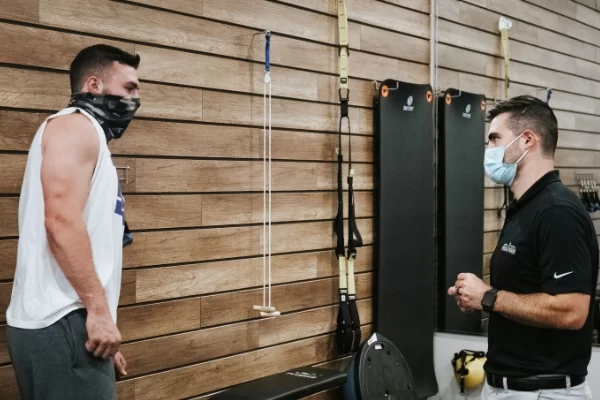
Whether you’re training for your first 5K or chasing a new marathon personal record, how you run matters. The way your body moves affects your speed, endurance, and risk of injury. Running analysis is a powerful tool used in physical therapy to assess your movement patterns, uncover inefficiencies, and develop a personalized plan to help you move better and stay healthy. By understanding your unique mechanics, you can optimize your stride, reduce strain, and run with greater efficiency.
Why Form and Function Matter in Every Stride
Running may seem simple, but it’s a complex, high-impact activity. Each step involves a coordinated sequence of joint movement, muscle activation, and ground contact. Over time, even small imbalances or repetitive motion errors can lead to overuse injuries such as shin splints, plantar fasciitis, IT band syndrome, or knee pain.
Common contributors to running injuries include:
- Poor posture or forward lean
- Weak hips or glutes
- Limited ankle or hip mobility
- Overstriding or heel-striking
- Asymmetrical gait or limb dominance
Without intervention, these issues can build up gradually and interrupt your training goals. That’s where running analysis comes in. Instead of guessing what might be going wrong, physical therapists use data-driven tools to identify what your body is doing and why it may be affecting performance or comfort.
What Happens During a Running Assessment
A running analysis typically begins with a discussion of your training habits, injury history, and goals. From there, the physical therapist evaluates strength, flexibility, joint mobility, and balance to understand how your body is functioning at rest.
Next comes the video analysis portion. You’ll run on a treadmill while being recorded from multiple angles. The therapist reviews your gait frame by frame to assess movement at the feet, ankles, knees, hips, pelvis, and upper body. Key measurements may include:
- Stride length and cadence
- Foot strike pattern
- Pelvic alignment
- Trunk position and arm swing
- Joint angles at impact and push-off
This objective data allows the therapist to pinpoint inefficiencies and determine whether certain movements are contributing to discomfort or risk.
Running Analysis Can Reveal What You Can’t Feel
Many runners are surprised to learn how their body moves differently from how they imagine. Some assume they are running symmetrically or landing midfoot, only to discover one foot strikes first or the hips drop more on one side. Others may compensate for stiffness in one area by overusing another, which can lead to overload and injury.
You may not notice these subtle compensations because your brain adapts to familiar movement patterns. Physical therapists trained in running analysis are skilled at identifying these patterns and helping you correct them with targeted interventions.
A Customized Plan to Improve Running Performance
Once the assessment is complete, your therapist builds a plan tailored to your specific needs. This may include:
- Strengthening exercises to target weak muscles, particularly the core, glutes, and calves
- Mobility work for tight joints or restricted tissue that limits stride efficiency
- Neuromuscular retraining to improve balance, timing, and symmetry
- Gait retraining drills to modify foot strike, cadence, or arm swing
- Progressive loading programs that increase training volume without risking injury
Therapists also educate runners on shoe selection, warm-up routines, and recovery techniques to keep performance consistent and reduce injury risk. By addressing movement inefficiencies and building a stronger foundation, runners often notice improvements in speed, endurance, and comfort on the road or trail.
How Running Analysis Prevents Injuries Before They Start
Injuries like stress fractures, tendonitis, and joint pain often stem from repetitive motion under poor mechanics. A runner might compensate for weak hips by rotating the trunk excessively or striking the ground too far in front of the body, which increases braking forces. These patterns might not cause pain immediately, but over time, they create wear and tear.
Physical therapy analyzes running to treat and prevent injuries. By spotting inefficient patterns early, therapists can intervene before damage accumulates. This proactive approach keeps runners training longer and recovering faster.
Running Better, Running Smarter
The benefits of analyzing your running go beyond fixing pain. Runners who undergo this evaluation often report better pacing, improved posture, smoother strides, and greater confidence. They learn how to train more intelligently by listening to their bodies and making informed adjustments.
Whether you’re recovering from an injury or simply want to perform your best, a professional evaluation can provide insight and guidance that is difficult to find on your own. The small changes often make the biggest difference.
If you’re ready to improve your running or reduce your risk of injury, schedule a running analysis at North Austin Physical Therapy. Our physical therapy team will analyze your movement in detail and design a personalized plan to help you run stronger, longer, and with fewer setbacks.
Tags: movement patterns, stride efficiency, injury prevention, gait assessment