If you’ve ever seen athletes with brightly colored strips of tape on their shoulders, knees, or backs, you’ve already encountered Kinesio taping. But what exactly is it? And if you aren’t a high-level athlete, can it even benefit you?
Well, the answer to the second question is easy: yes! In fact, this technique can play an important role in a comprehensive physical therapy program, including pain management. It’s a method that the North Austin Physical Therapy team often employs to help prepare their patients for more active treatment.
Keep reading to learn more!
Discover the Basics: What Is Kinesio Taping?
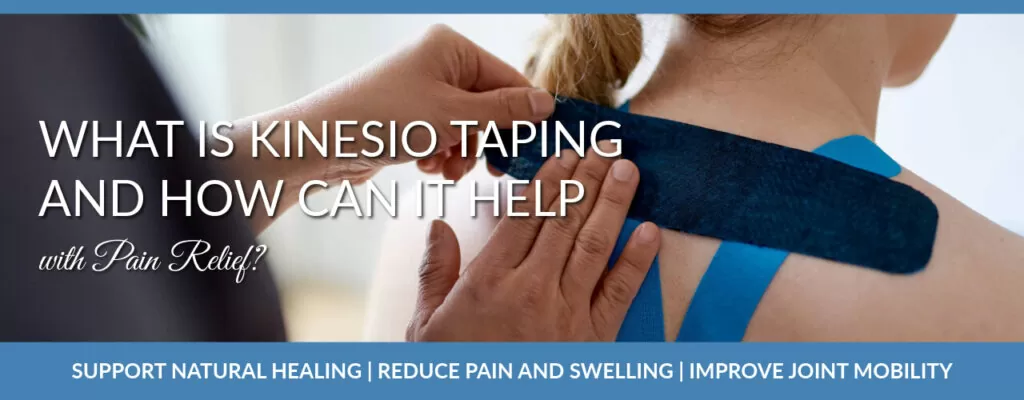
K-taping is a therapeutic technique that uses a specialized, stretchy elastic tape designed to support muscles and joints without restricting movement. Developed by Dr. Kenzo Kase in the 1970s, it’s now widely used by physical therapists, athletes, and everyday patients seeking non-invasive pain management options.
How It Works
The tape is made of cotton and medical-grade acrylic adhesive. Its elasticity mimics the skin’s flexibility, allowing for a natural range of motion. When applied properly, Kinesio tape gently lifts the skin, which can:
- Improve lymphatic and blood circulation
- Reduce pressure on pain receptors
- Support injured muscles and joints without immobilization
- Improve proprioception (your body’s awareness of movement and position)
These factors can help enhance physical therapy outcomes by reducing discomfort and supporting natural healing.
Conditions That Can Benefit
Kinesio taping can be an effective complement to traditional therapy for several painful conditions, including:
Low Back Pain
- Supports spinal muscles and reduces tension during movement.
Runner’s Knee
- Helps realign the kneecap and reduce inflammation.
Shoulder Injuries
- Provides stability while maintaining mobility.
Tendonitis
- Decreases strain on inflamed tendons, promoting faster recovery.
Plantar Fasciitis
- Relieves pressure and encourages healing in the foot.
K-taping doesn’t cure these conditions, but it can improve function and decrease pain when used alongside a personalized physical therapy plan. Let’s take a look at a recent patient’s story to illustrate how this process works.
How Kinesio Taping Helped Lauren
Lauren (not her real name) is an avid hiker who came to North Austin Physical Therapy with persistent Achilles tendon pain. Despite weeks of rest, stretching, and ice, her discomfort kept returning anytime she hit the trails.
One of the first things we suggested was that she wear Kinesio tape between her sessions (you can wear the tape for several days, including while showering and exercising). Lauren definitely noticed some improvements:
- Reduced pain while walking and climbing stairs
- Increased ankle stability on uneven terrain
- Improved confidence during physical activity
Over the next several weeks, Lauren worked through her comprehensive PT program. At each of her bi-weekly sessions, we switched out her tape, adjusting it as her recovery progressed. We also guided her through strengthening exercises to resolve the injury to her Achilles tendons.
By the end of her program, Lauren’s pain had resolved, and she was able to return to her favorite hiking trails without pain or discomfort.
Explore Safe, Non-Invasive Pain Relief With Kinesio Taping
For patients looking for drug-free, non-surgical ways to reduce pain and improve movement, Kinesio taping offers a promising option. If you’re struggling with pain or recovering from an injury, it could be the support you need to move better and feel better.
Contact North Austin Physical Therapy today to schedule an appointment and learn if Kinesio taping is right for you. Our Leander, TX, and Cedar Park , TX PTs will assess your needs and develop a personalized plan to help you recover faster and stronger.
Tags: pain relief, joint support, rehab tools, mobility therapy